Embroidery
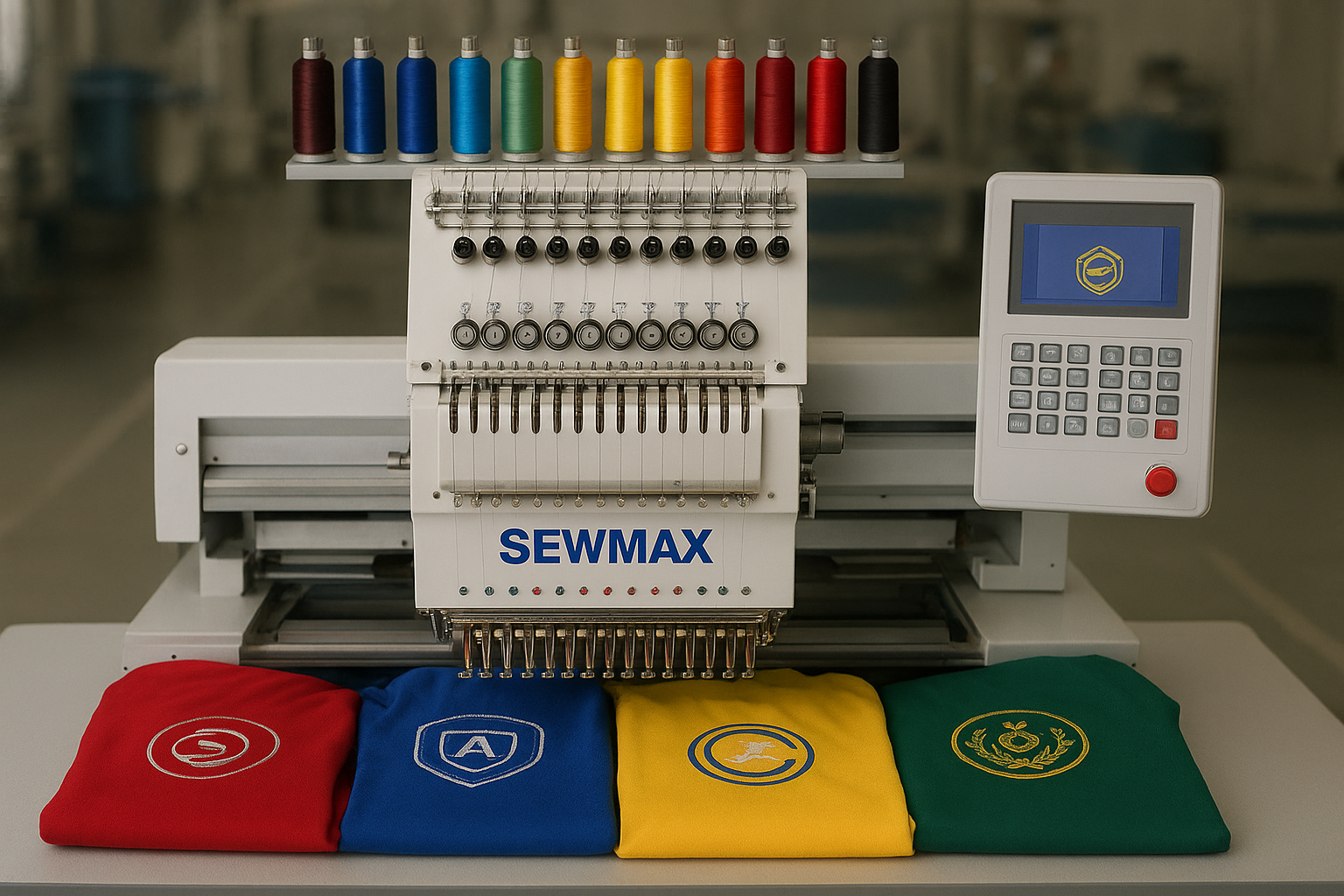
Embroidery is a premier method for personalizing and branding everyday items like jackets, caps, and bags. By stitching a company logo or a unique design directly onto the fabric, it creates a durable, high-quality, and professional finish that withstands wear and tear. This makes it an incredibly popular technique for corporate wear, team uniforms, and promotional products, ensuring a brand’s identity is displayed with elegance and permanence.
Beyond commercial branding, embroidery is also a cherished medium for personal artwork. A custom design stitched onto a denim jacket, a favorite beanie, or a canvas tote bag transforms a simple item into a unique piece of wearable art. This blend of craft and creativity allows individuals to express their personal style, turning functional accessories into customized treasures that are both beautiful and built to last.
Screen Printing
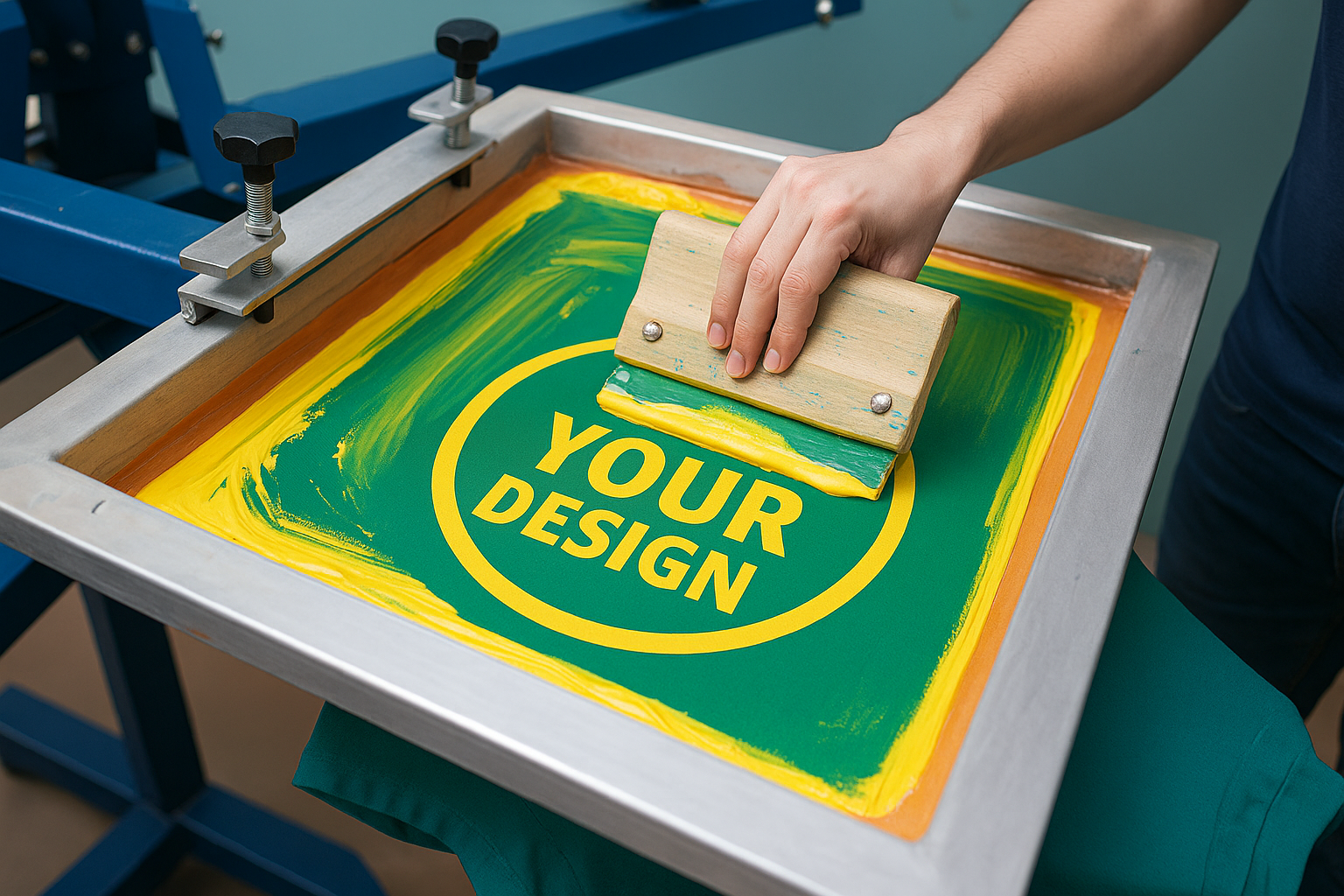
Screen printing is a dynamic printing technique renowned for its ability to produce vibrant and bold artwork. It excels in multicolor printing, where each individual color is applied using a separate screen. This layer-by-layer process allows for rich, opaque inks to create stunning visual effects, including smooth color gradients and deliberate graphic color overlaps that give designs a unique depth and texture not easily achieved with other methods.
The technique is particularly valued for the tangible, physical quality it adds to a design. The ink sits on top of the material, allowing printers to create unique textures—from a soft, vintage feel to a raised, tactile finish. This makes each print not just something to look at, but something to feel, highlighting the craft and artistry involved in the process. The ability to layer inks precisely is what makes screen printing a powerful medium for creating complex and visually striking graphics.
Digital Transfer Printing
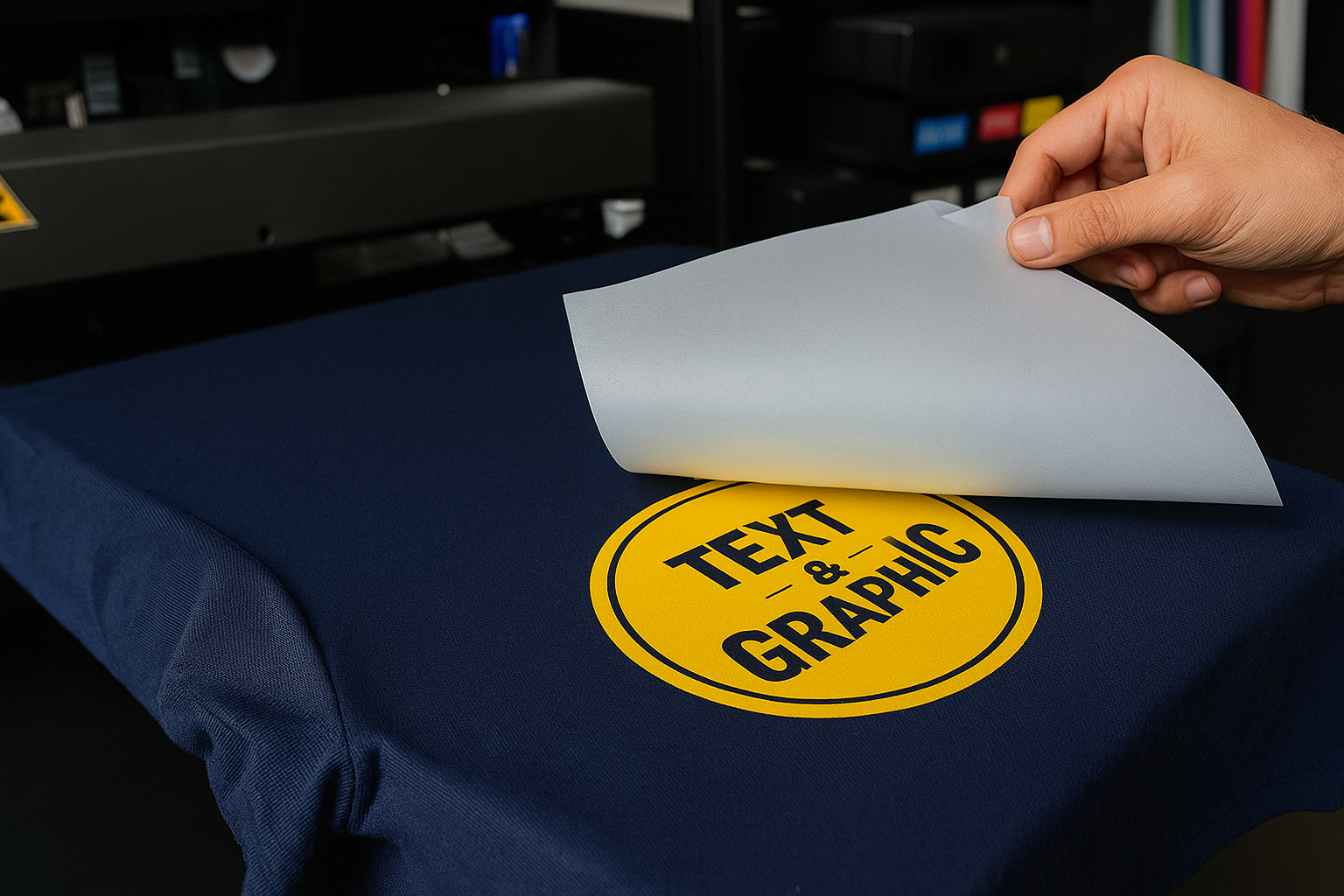
Digital transfer printing is an incredibly versatile method for applying full-color artwork to products like t-shirts, caps, and jackets. This process excels at multicolor printing, effortlessly reproducing complex designs with photorealistic detail, smooth gradients, and intricate graphic color overlaps without the need for individual screens for each color. The entire design is first printed onto a special transfer paper using a large-format digital printer and is then applied to the garment using a heat press, making it ideal for detailed, one-off designs.
While brilliant for color complexity, the feel of the print can vary. Some transfers create a soft, seamless finish, while others may leave a slightly noticeable plastic-like layer on the fabric, affecting the final texture of the garment. Despite this, its ability to easily print any design directly from a computer onto caps, jackets, and t-shirts makes it a popular choice for personalized gifts, team uniforms, and small batches where detailed, multicolored artwork is the top priority.
UV Printing
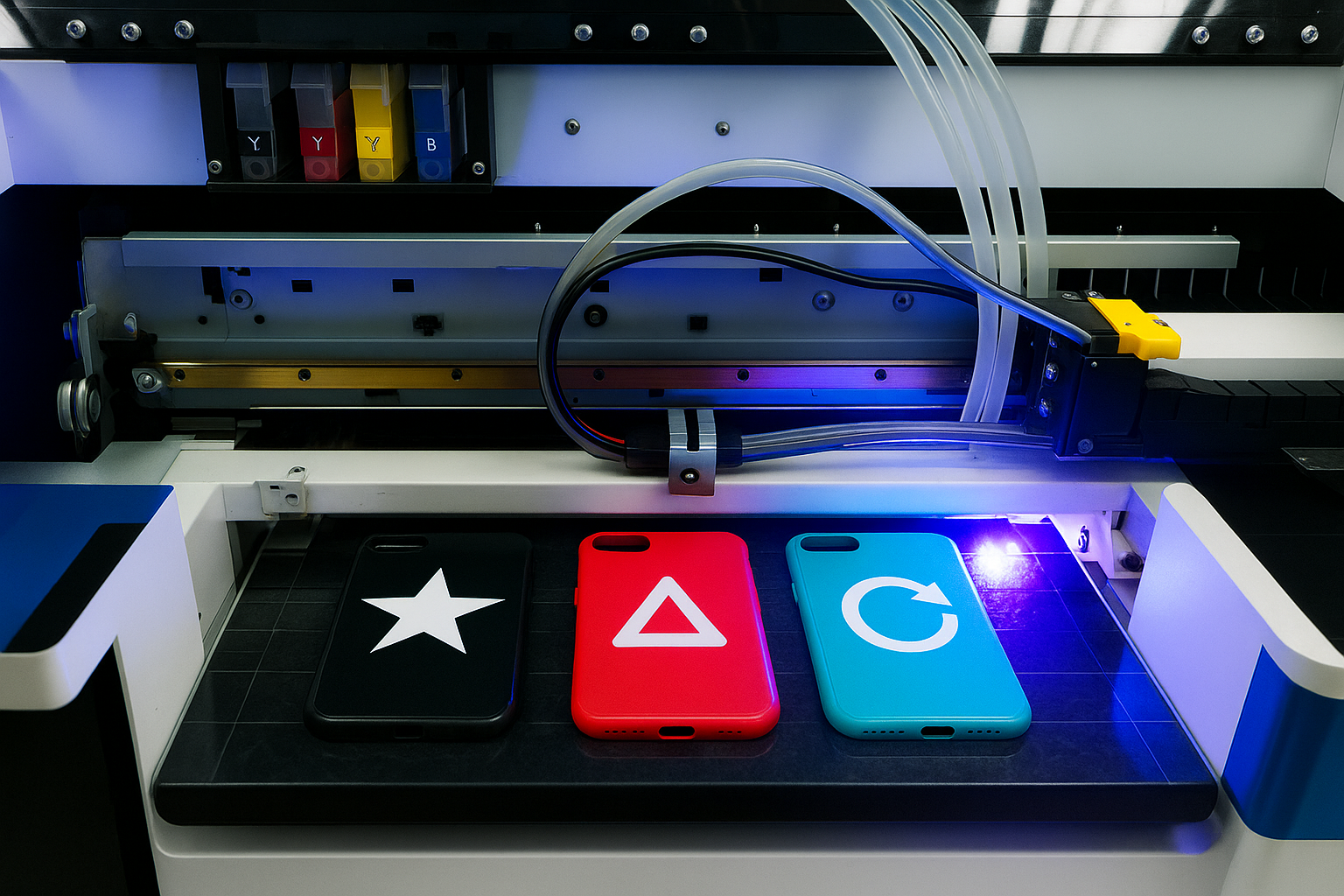
UV printing is a cutting-edge digital process that uses ultraviolet lights to instantly cure or dry ink as it is printed onto a surface. This allows it to adhere to a remarkably wide range of materials far beyond traditional paper, including rigid substrates like acrylic sheets, aluminium composite panels, and PVC foam board. The instant curing prevents the ink from being absorbed, resulting in incredibly sharp details, vibrant colors, and a durable, scratch-resistant finish that is immediately ready for use.
The versatility of UV printing makes it ideal for both signage and specialty products. It can produce high-gloss, matte, or even textured effects on a single print run, adding depth and tactile interest to the final product. Whether creating vibrant exhibition graphics on foam board, sleek menu boards on acrylic, or durable outdoor signs on aluminium, UV printing delivers exceptional durability and visual impact, making it a premier choice for high-quality, custom applications.
Embossing
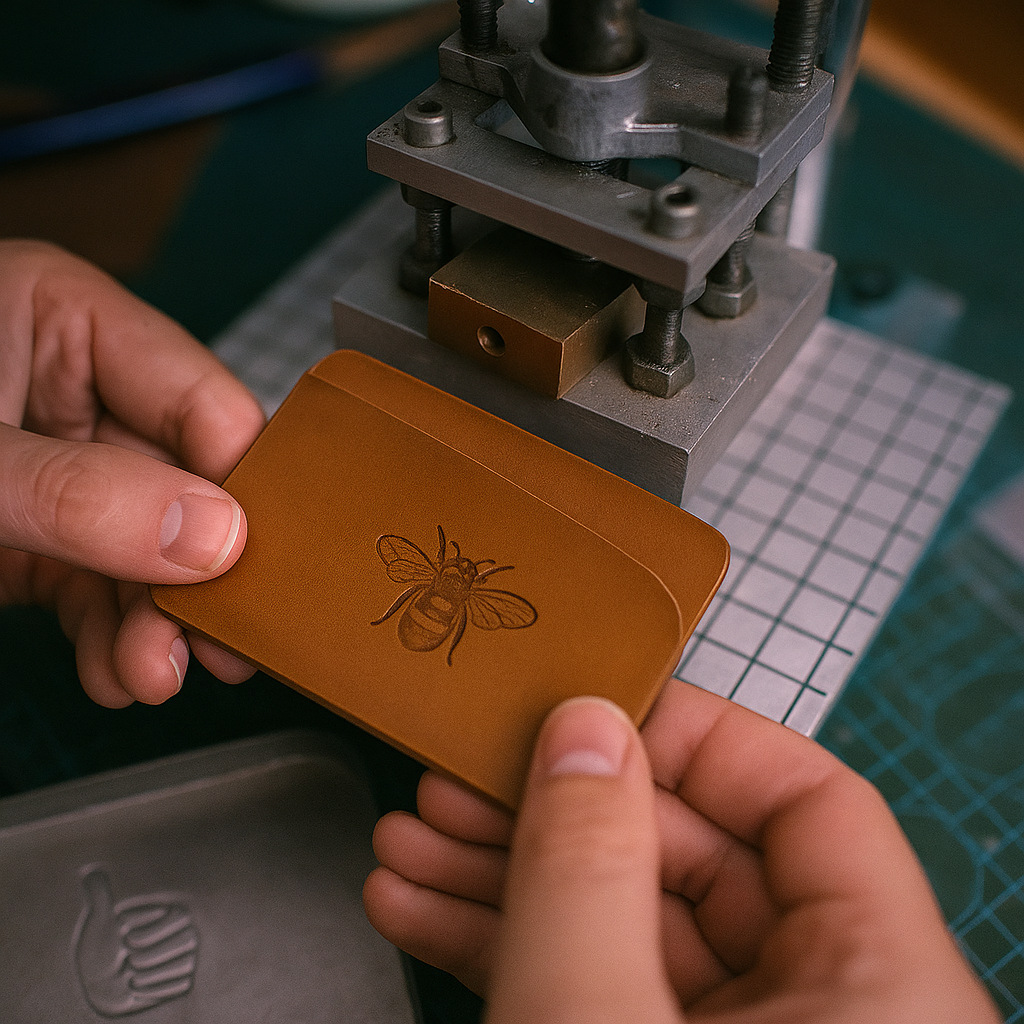
Embossing is a premium finishing technique that creates a raised, three-dimensional impression on a surface, most notably on materials like leather. The process involves using a custom-made metal stamp, which is pressed with significant force into the material. This pressure permanently alters the material’s structure, pushing the artwork or text upward to create a sophisticated and tactile effect that is both seen and felt, adding a layer of luxury and permanence to the design.
The beauty of embossing lies in the physical depth it gives to artwork, transforming a flat graphic into something tangible. Whether it’s a company logo on a leather journal or an intricate pattern on a certificate, the raised effect from the metal stamp catches the light and creates subtle shadows, enhancing the visual appeal and perceived value of the item. This classic technique is revered for its ability to deliver an elegant and professional finish through texture alone.
Laser Engraving
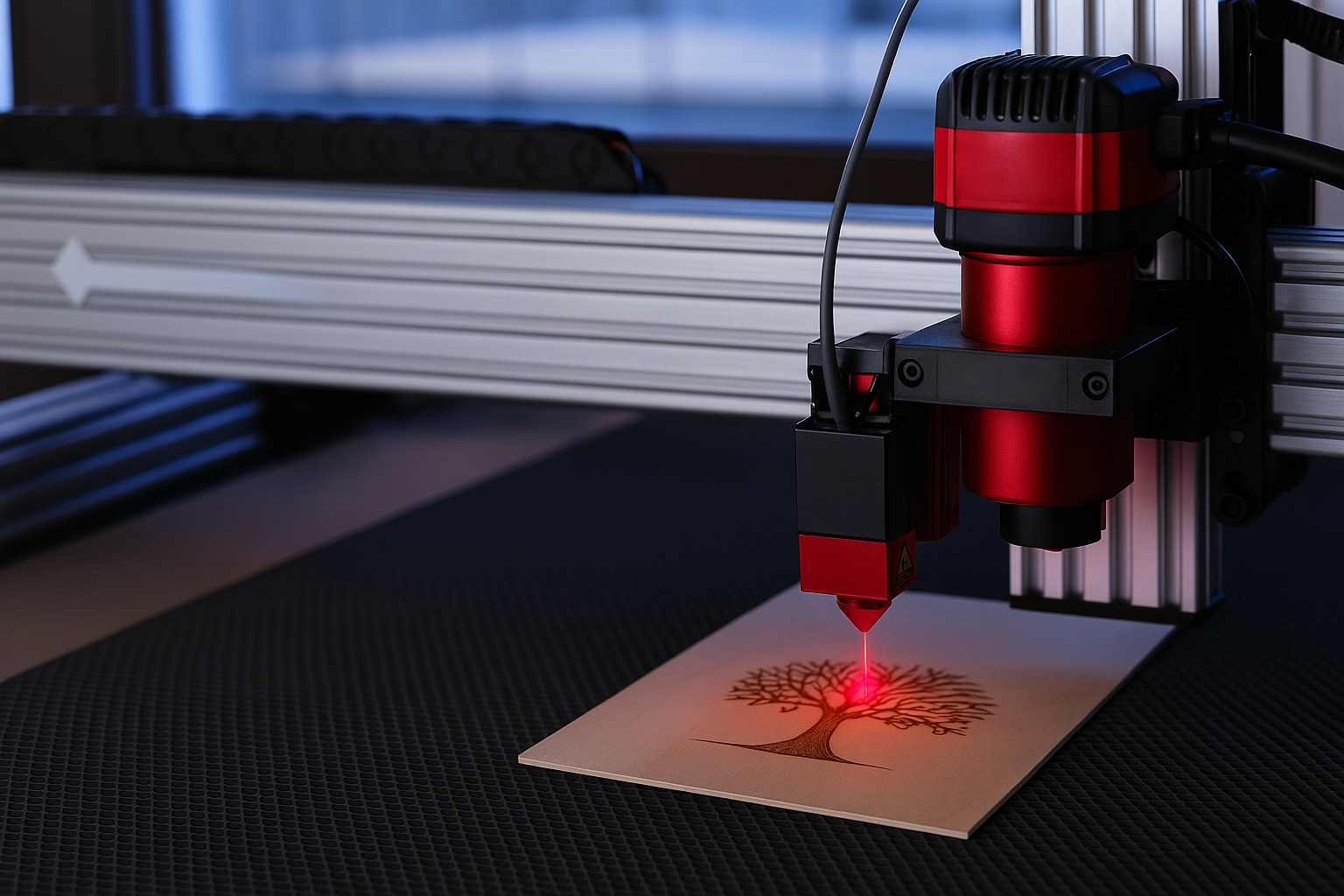
Laser engraving is a precise and versatile technology that uses a focused beam of light from an art laser to permanently etch designs onto a wide array of materials. This non-contact process is exceptionally effective on surfaces like wood, glass, metal, and acrylic, vaporizing tiny particles of the material to create a deep, permanent mark. The artwork is first designed digitally, which allows the art laser to replicate even the most intricate details with incredible accuracy and a clean, finished look.
The technique is highly valued for its ability to produce consistent, high-quality results on both flat and curved surfaces, making it ideal for customization and personalization. Whether creating delicate patterns on glassware, branding logos onto metal tools, or adding detailed artwork to acrylic signs, laser engraving offers a durable and sophisticated finish. The precision of the process ensures that every fine line of the design is captured, transforming ordinary objects into personalized works of functional art.